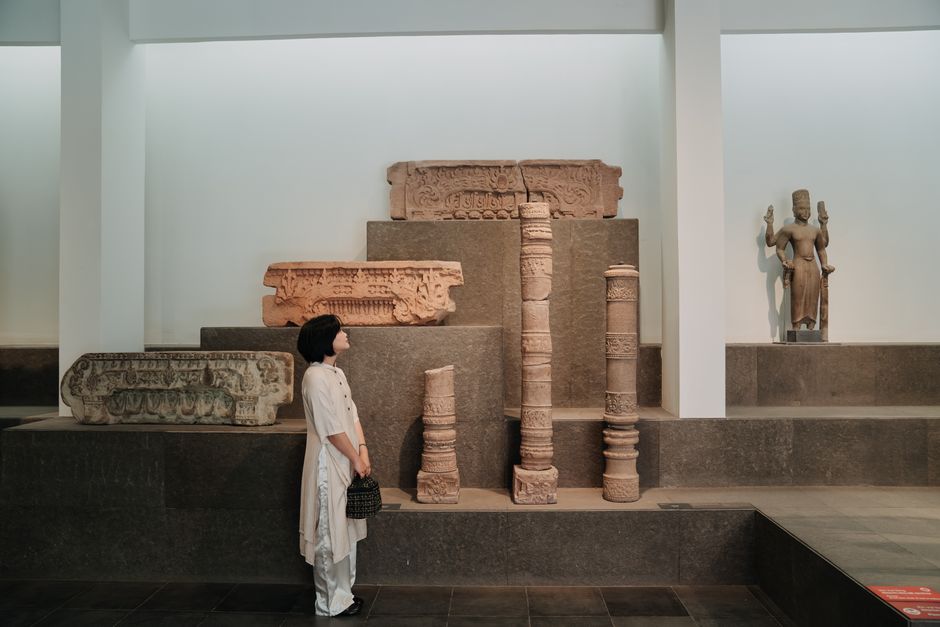
The first hour after opening often gives you the clearest galleries, shorter security queues, and more time with major works before tour groups arrive. The trick is not simply waking up early; it is choosing the right day, entry door, ticket slot, and route.
Why quiet morning museum visits work better
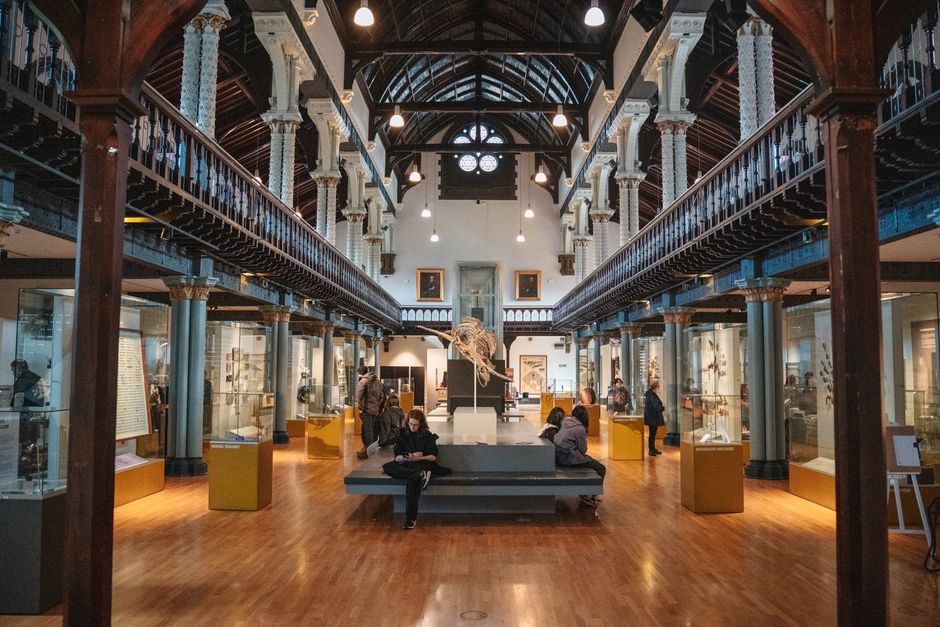
My verdict: start with the museum that matters most, and enter at opening time. Midday crowds build through several overlapping habits: hotel checkouts finish, guided tours arrive, cruise passengers reach the city, and families move indoors after sightseeing outside. By 11 a.m., a museum may have several waves of visitors inside at once. At 9 a.m., the same building can feel entirely different.
The first hour protects your priority works
Most visitors head toward the famous work they saw in a guidebook. That creates a predictable bottleneck. Go directly to that room first, spend 15 to 25 minutes there, then move to a less famous gallery while the second wave is still entering. You are not trying to see the whole museum before breakfast. You are protecting the two or three rooms that would be frustrating to view in a crowd.
Quiet does not mean empty
An opening slot will not create a private museum. School groups, photographers, members, and early guided tours may already be present. The realistic target is lower density, not silence. A useful test is whether you can stand several steps back from a painting, read the wall label without waiting, and move through a doorway without joining a queue. That is a much more useful measure than an empty photograph.
For a first-time visitor, the strongest plan is simple: arrive 20 to 30 minutes before the booked slot, enter with your ticket ready, visit one high-demand room first, and leave the busiest wing before late morning.
How to choose the right opening slot
Choose the day before choosing the hour
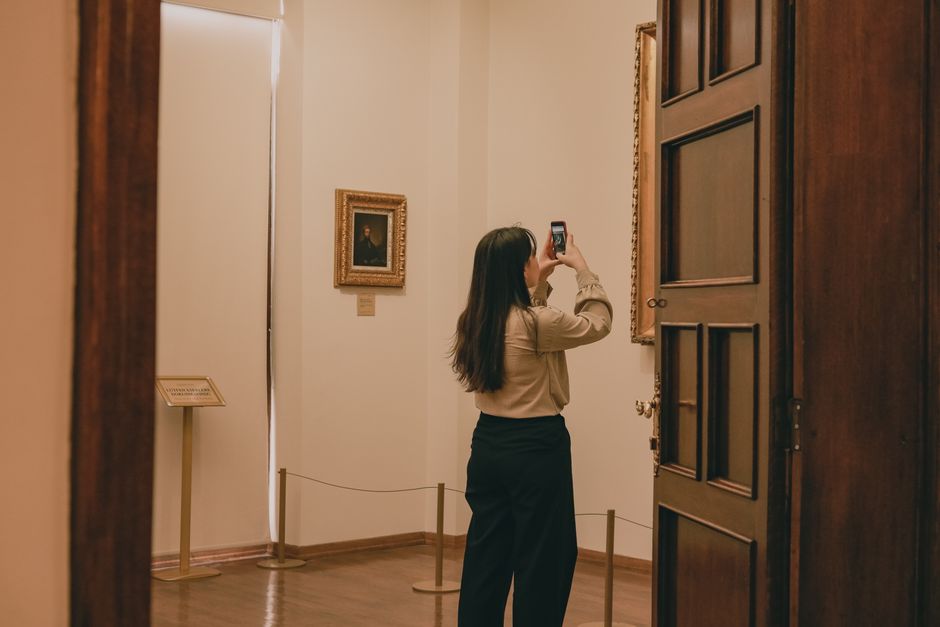
Tuesday through Thursday usually offer a better crowd profile than Saturday, but the local calendar matters more than a universal rule. Check school holidays, public holidays, major exhibitions, cruise arrivals, and city festivals. A museum with a popular temporary show can be busy every day, including the first opening slot. If you have flexibility, book the earliest midweek entry that fits your transport plan.
Build a 45-minute arrival buffer
Use the museum’s official entrance map, not only a general navigation app. A building may have separate doors for timed tickets, groups, members, accessibility access, and security screening. Leave enough time for a short walk, a bag check, and finding the correct entrance. The strongest morning plan is the one that survives a missed tram or a coffee queue.
For practical planning, record four details in your phone: opening time, ticket time, entrance name, and last admission rule. That small checklist prevents the common mistake of arriving at the right museum but the wrong gate.
How to build a 90-minute museum route
A quiet entry loses its value when visitors wander into the busiest rooms at the same time as everyone else. Use a route that moves against the building’s normal traffic. Start with the highest-demand room, then shift sideways into a nearby collection, and finish near the café, shop, or exit before the midday surge.
Why the reverse route beats the famous route
Maps and guidebooks often send visitors toward the same headline attraction, then backtrack through the same corridor. That creates congestion at staircases and narrow doorways. A reverse route reduces unnecessary crossings. You can still see the famous collection, but you reach it before the majority of visitors rather than after them.
What to do when a room is already crowded
Do not wait in a doorway hoping the group will disappear. Step into a neighboring room for ten minutes, then return. If the crowd has not moved, change the order of your visit. Museums are not exams; missing one room on the first pass is better than spending 25 minutes watching other people take photographs.
This route works best for travelers who want depth without spending an entire day indoors. It gives you a clear exit point before lunch and leaves room for a second, smaller museum or an outdoor walk.
Which museum tickets and official tools are worth using?
The right ticket reduces uncertainty; it does not magically remove every queue. My clear recommendation is to buy directly from the museum whenever the official site offers timed entry. Third-party platforms can be useful when they bundle transport or a guided tour, but they may add fees, restrict changes, or hide the actual entry conditions.
Louvre Museum: choose the official timed ticket
The Louvre’s official ticket page lists an EEA visitor rate of €22 and a non-EEA visitor rate of €32 as of January 14, 2026. The museum opens at 9 a.m. on Monday, Thursday, Saturday, and Sunday, and stays open later on Wednesday and Friday. For a quiet visit, the winning choice is the first morning slot on a Monday, Thursday, or Friday, followed by a direct walk to your priority collection. The Louvre also warns about mirror websites and fake queue-jump tickets, so an unofficial seller is not worth the risk.
Rijksmuseum: book a start time even with a pass
The Rijksmuseum’s official visitor information lists adult admission at €25, free entry for visitors aged 18 and under, and daily opening from 9 a.m. to 5 p.m. Every visitor needs a start time, including most pass holders. The museum itself identifies the period before 11 a.m. and after 3:30 p.m. as quieter, with Tuesday and Wednesday often calmer. My pick is a 9 a.m. Tuesday or Wednesday start, especially for visitors focused on the Gallery of Honour.
Vatican Museums: verify the official portal
The Vatican Museums’ official information page lists Monday-to-Saturday opening from 8 a.m. to 8 p.m., with final entry at 6 p.m. It also states that the official online ticket portal is tickets.museivaticani.va. For this museum, the most valuable purchase decision is authenticity: avoid sellers promising a vague jump-the-line result without naming the timed entry and meeting point. Choose the earliest official slot available, then arrive early for screening.
Ticket prices and rules can change, so check the official page again before payment. The concrete verdict is simple: direct timed entry is the safest purchase for a self-guided morning, while a third-party tour only earns its extra cost when it adds a guide, transport, or a hard-to-get reservation.
Mistakes that turn an early visit into a crowded one
A morning ticket cannot fix a bad plan. The most common failures happen before the visitor reaches the gallery.
When a timed ticket does not guarantee a fast entry
Security screening, school groups, weather, staff shortages, and a blockbuster exhibition can create lines outside the ticket queue. A timed entry usually controls when you may enter; it does not promise immediate passage through every checkpoint. Read the terms for late arrival, ticket changes, and re-entry before you buy.
My strongest correction is to treat the ticket time as a window that requires logistics. Arrive early, travel light, and keep the first 30 minutes flexible. Those three choices prevent more frustration than paying extra for a vague skip-the-line label.
Are early mornings always better?
No. Early morning wins for landmark museums, but late afternoon can beat it for smaller collections. The right alternative is the final two hours when a museum stays open late, especially on a weekday. You may lose the calmest version of the headline gallery, but you gain a slower visit after school groups and daytime tours leave.
When late entry is the smarter choice
Choose late entry if your hotel is far from the museum, your travel day begins with a train arrival, or you value sleep enough to avoid rushing. It also works well for compact museums that take 60 to 90 minutes. A late slot can pair neatly with an early dinner, while an opening slot may force you to organize the entire day around one building.
When to skip the major museum entirely
Do not buy a famous museum ticket simply because it appears on every city checklist. Skip it when the current exhibition does not match your interests, the available entry time is inconvenient, or the visit would replace a smaller collection you would enjoy more. A quiet house museum, university gallery, or local design museum may offer better attention and less walking for a fraction of the cost.
For travelers with one free morning, choose the major landmark at opening time. For travelers with a full week, spread visits across different crowd patterns: one large museum early, one smaller museum late, and one outdoor or neighborhood day between them. The single most reliable crowd-control move is booking the right museum for the right hour and arriving with enough time to enter before the first tour group.